Top activities in the iron gate area

Explore the Iron Gate

  • Estimated budget

    € 350

  • Trip Type

    Small Group of 5-8 people

  • Duration

    7 Days

  • Starting Location

    Donji Milanovac, Serbia

  • Final Destination

    Drobeta Turnu Severin, Romania

Day 1

The diversity of natural heritage, richness and diversity of wildlife, attractive geological sites and cultural and historical sights are the distinctive features that make the area of Đerdap unique

One day tour of the Visitor Center in the area of the town of Milanovac. The exhibition at the Visitor Centre Đerdap National Park in Donji Milanovac shows the geological structure of the area, the diversity and richness of the living world, the most important cultural and historical sights, as well as tourist attractions of the largest national park in Serbia and Geo-park Đerdap. Exhibited items are accompanied by explanations in Serbian and English, and tactile setting is accompanied by texts in Braille alphabet. Visual-textual and multimedia representation of the uniqueness of the Đerdap area aims to increase awareness of the need for ecological approach of individuals and society in preserving the natural environment, geological heritage and cultural heritage.


Day 2

Tour of Traian's board and Fortress Diana.

Traian's board is a Latin inscription dedicated to Roman Emperor Traian, carved on a rock located above the Đerdap gorge. This board is part of the ensemble of Roman monuments on the so-called Roman path.

Diana is an old fortified city on the bank of the Danube. It is located in Karatas, below the HPP Đerdap I. The fortress was built as one of the bases for the Dacia Wars and ensuring navigation on the Danube. Today there are remains of fortifications, and archaeological investigations are carried out inside the site itself.


Day 3-4

The Traian Bridge is the work of the Syrian architect Apolodore from Damascus, and is one of the most grandiose architectural works of antique age.

A tour of the Fortress Fetislam and the remains of Traian Bridge.

Fortress Fetislam was built on the Danube by the Turks in 1524 and divided it into two parts — the Little Town and the Great Town. As it is assumed, Little Town was an artillery base protected by circular towers. On the gates leading to the fortress, marble slabs were laid in the glory of Sultan Mahmoud II. In the composition of the fortress there is an open amphitheater, and in the immediate vicinity of a sports center with a complex of terrain for large and small sports.

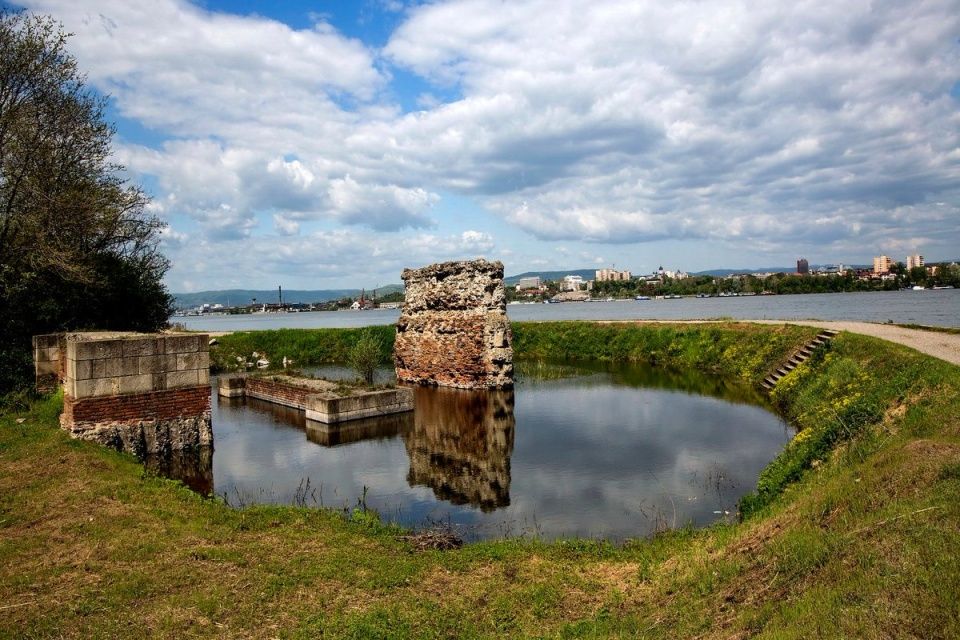
The remains of the Traian Bridge and the Pontes fortress are located near the village of Kostol, 5 km downstream from Kladovo. The bridge, erected between 103 and 105AC, in just two years, is the work of Syrian architect Apolodore from Damascus, and is one of the most grandiose architectural works of the antique age. The length of the bridge with portals was 1133.90 m, and the section across the river bed was 1071 m.
Day 5-6

Tour of Drobeta Turnu Severin, Severin fortress and the remains of Traian's Bridge.

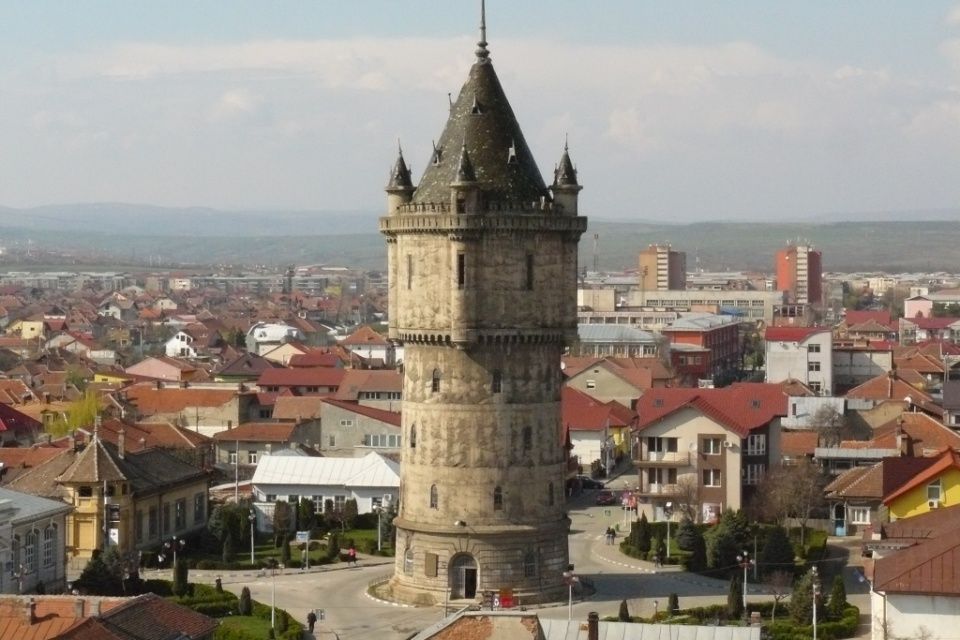
Drobeta-Turnu Severin is a city in Romania. It is located in the far south-western part of the country, in the historic province of Vlachia and is famous for its many historical sights.

The Severin fortress dates back to the 11th century and marked the border between the Hungarian kingdom and the Bulgarian Empire. It was demolished in the 16th century by the then ruling Ottoman Turks.

The Traian Bridge, also called the Apolodore Bridge over the Danube, was a Roman segmental arched bridge, the first bridge built over the lower Danube and one of the greatest achievements in Roman architecture.


Day 7

An optional boat tour of the stone sculpture of Decebalus (87-106AC), the last king of Dacia, who fought against the Roman emperors Domitian and Traian to preserve the independence of his country, present-day Romania. The sculpture is located near the city of Orșov, in the district of Mehedinți. It was made, on a rockyard on the Danube River, near Đerdap. The sculpture of the king of Dacia is the highest stone relief in Europe, with 55m in height and 25m wide.
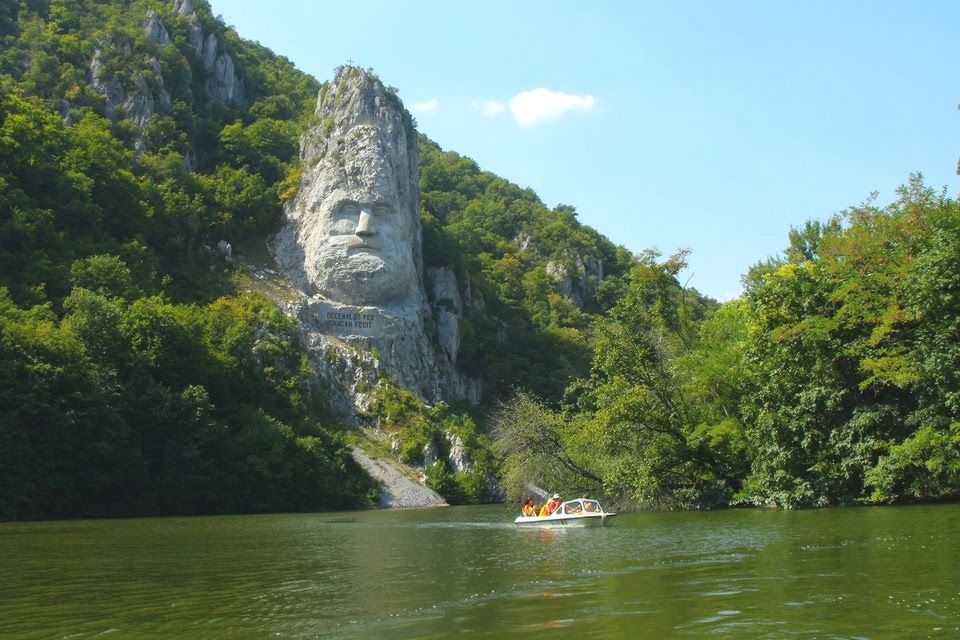
The Decebalus stone sculpture is really something you should not miss.
Jozef Horvath

Our Recommendations

Similar Trips

Discovering the nature

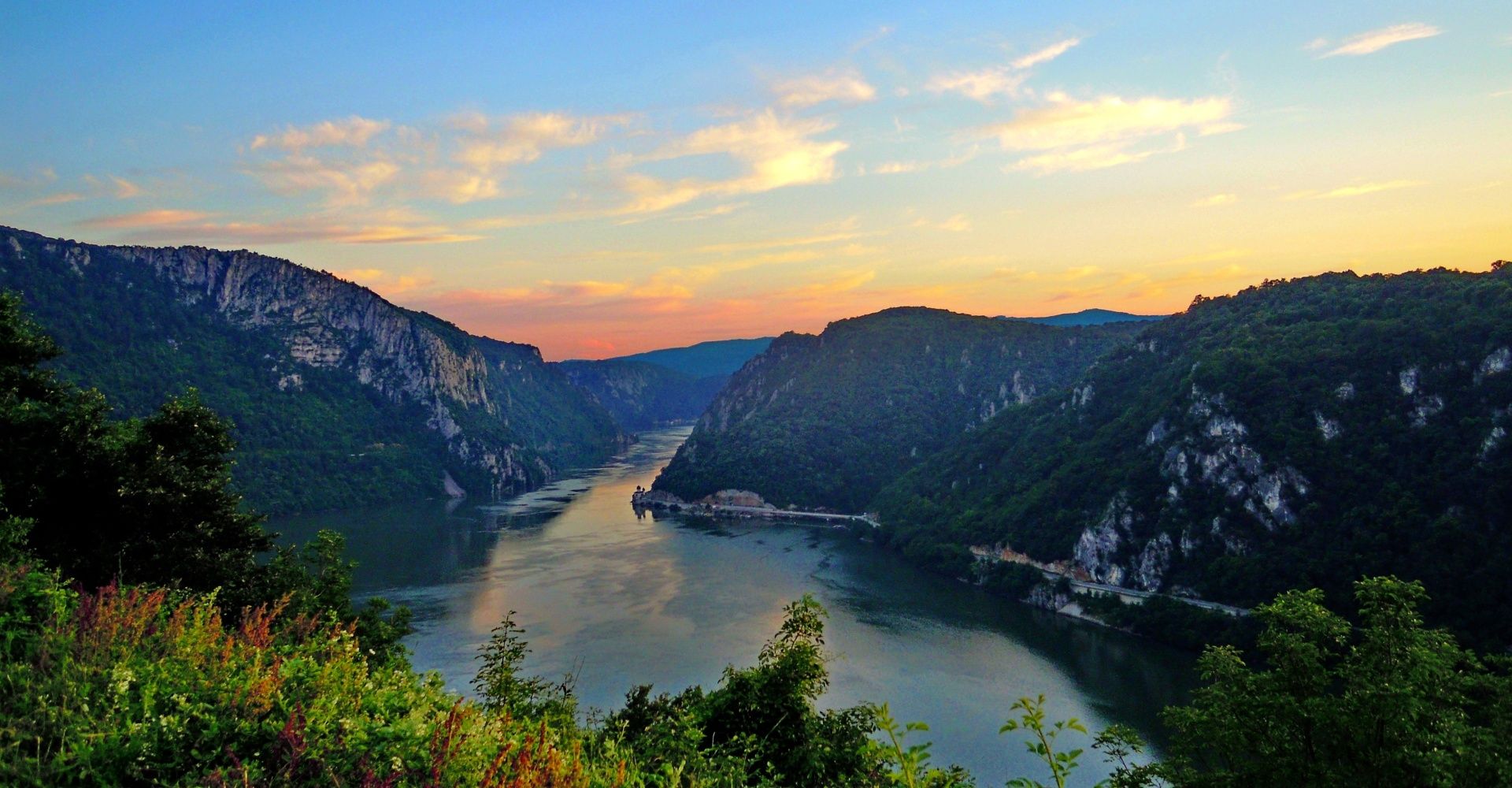
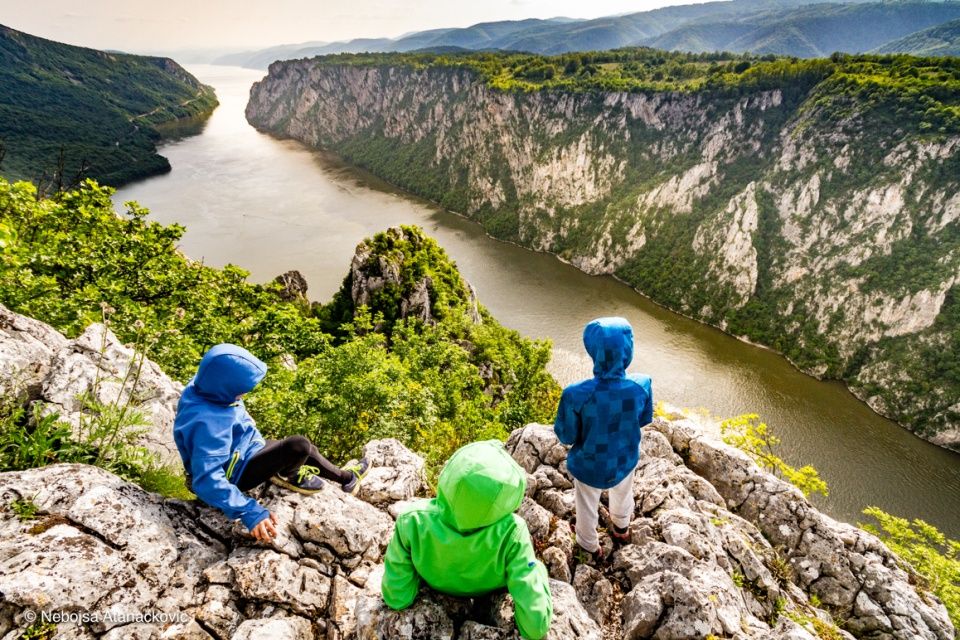
Spreading at over 63,000 acres of plant and animal abundance of priceless value and beauty, Đerdap National Park is also known as the Iron Gates of the Danube. Gorges, canyons, river valleys and over thousand caves of extraordinary beauty are hidden on the right bank of the river, from the Golubac fortress to the ancient fort of Diana.

Get familiar with Đerdap National Park

The Danube in Celtic means river or water. It is not known when the first wave of the Pannonian sea began to deepen the massifs between the Balkans and the Carpathians, opening the Iron Gate and creating today's Đerdap. With this miracle of nature, the Persians gave the name Girdap or Vortrag, and Roman soldiers crossed the path through the Đerdap walls which had great strategic and economic significance.


Cooperation beyond borders.
Interreg-IPA Cross-border Cooperation Romania-Serbia Programme is financed by the European Union under the Instrument for Pre-accession Assistance (IPA II) and co-financed by the partner states in the Programme.

Project title: Secrets of the Iron Gate`s medieval fortresses
Project name –eMS: RORS-309
Material editor: Municipality of Kladovo
Publishing date:25.01.2020

The content of this website does not necessarily represent the official position of the European Union.
In case of any complaints, contact: This email address is being protected from spambots. You need JavaScript enabled to view it.